FROM THE APPA ARCHIVE
3 Ws of Procrastination
Original Appa article. Archived wording retained for editorial review.
W1. What is Procrastination?
An irrational tendency to delay tasks over and over again even when you really want to do them, know there will be negative repercussions if you don't do them, still don't do them.
In your personal and professional environments, it is commonly mislabeled as a productivity, laziness or motivation problem.
It is NOT to be confused with deprioritisation. Deprioritisation is to deliberately delay tasks to a later time. When the time comes, you do them without putting them off.
W2. Why is it challenging?
It's a deep-rooted, complex tendency that's a common symptom across all underlying psychological tendencies be it ADHD, anxiety, depression, dyslexia, OCD, PTSD etc.
It's also affected by your environment and general mental state in life.
At the exact moment you procrastinate, it's a mix of how your mind perceives the exact task you're putting off + your psychological tendencies + your learned behaviours.
We lied, third is an H, not a W.
H1. How to solve it?
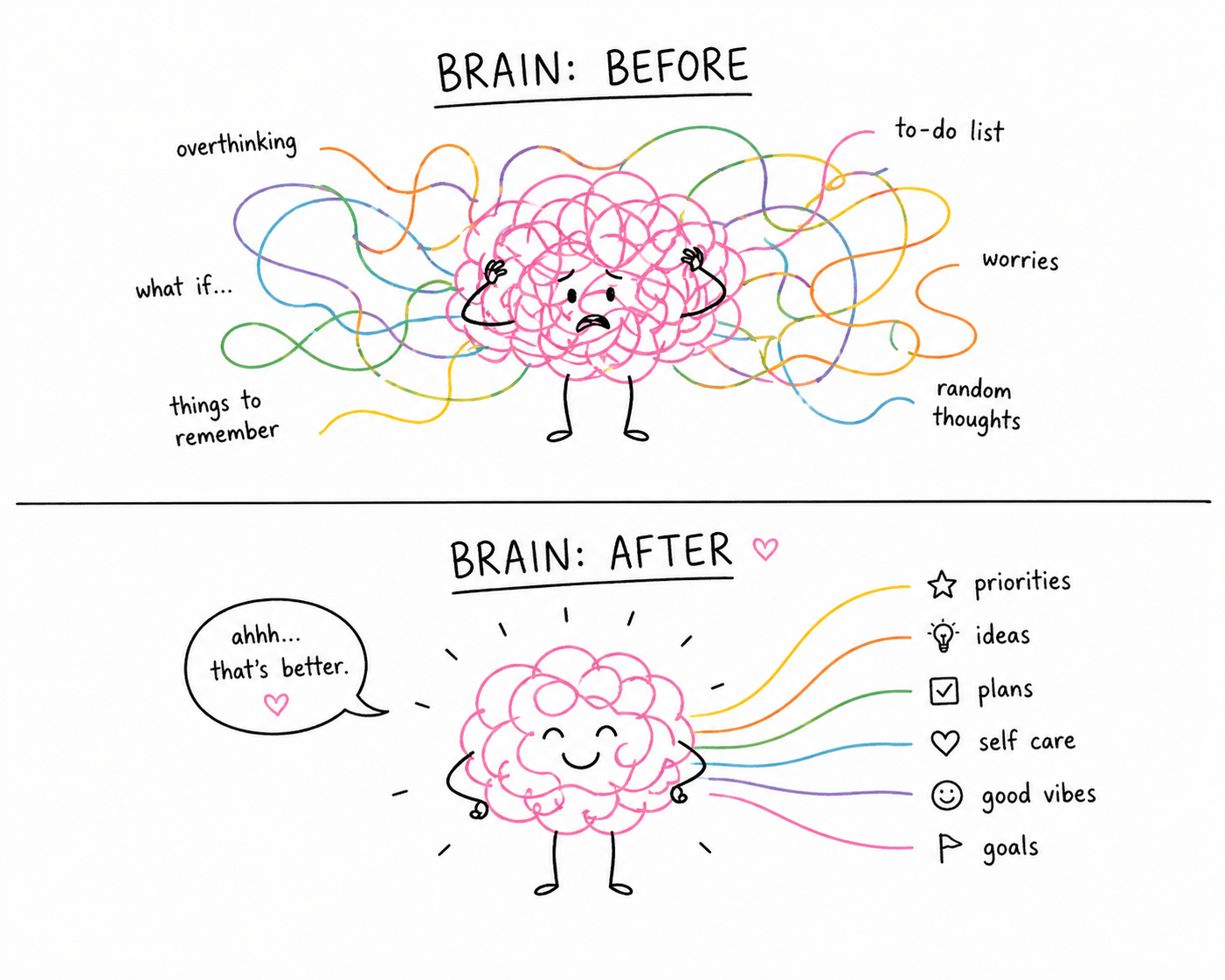
Procrastination is an irrational tendency. This is important to recognise and accept fully because the first thing people do to overcome it is try and rationalise it. And that's a trap. That's how you get stuck in a loop of rationalising against an irrational tendency.
That's why overcoming Procrastination involves developing ways to bypass or break this “thinking and rationalising” loop.
This can be done by training our brain with new or better behaviours, belief systems and emotional management with external help. External help can come in the form of people, books, videos. Any external input to the brain that changes the way it thinks.
You cannot outgrow procrastination fully (As of today, but rest assured, we at Appa are working on this, with you, for you, for us, too) because it's part of human psychology. However, you can learn to recognise it and manage it. You can solve it with external help. You can even reduce it by unlearning old and relearning new tendencies and behaviors.
Every individual is unique. Their psychology, their environment, their mental state at any point in time. We at Appa help individuals understand themselves and practice techniques based in psychology and neuroscience that work for them. We help people overcome procrastination when they want, in ways that work for them.
We learn best through practical examples, so here goes nothing:
You really want to start your diet and consistent exercise from Monday. When Mon arrives, you put it off for the next day or next week. When the next day or next week arrives, you put it off.
This is an example of Procrastination.
Old you:
Rationalises this with many reasons, excuses like I'm not prepared today, I already overate today, I woke up late, I don't feel like it today. Tomorrow I'll wake up early, prepare food and start anew. You feel guilty and ashamed that you've put this off yet again.
New you:
Recognises Procrastination is irrational so no point rationalising it. Recognising guilt and shame are part and parcel of Procrastination. Armed with these realisations, you work on beliefs, actions and behaviours that will help you get things done.